

Reporting window: August 17–24, 2026
Sources reviewed: August 24, 2026
Conditions, evacuation zones, road closures, utility status, and official instructions can change quickly. If an event affects you, use the latest information from your local emergency-management agency, utility, public-health department, and law enforcement.
Executive assessment: use the warning window
This week’s strongest preparedness lesson is simple: the best time to act is while you still have choices. A rapidly expanding wildfire near Reno, a prolonged storm outage in northern Indiana, heat-driven grid advisories, and a federal warning about disruptions at water utilities all point to the same habit. Watch reliable signals early, make small checks before systems are strained, and know what would make you leave, shelter, or switch to a backup.
Preparedness is not prediction. It is reducing the number of decisions you have to make when time, power, clean water, or communications become limited.
U.S. situation scan
Wildfire activity is stretching national resources
The National Interagency Coordination Center reported National Preparedness Level 5 on August 23, the highest level on the five-point scale. Its current situation page listed 79 large fires and more than 22,000 personnel assigned nationally. Near Reno, Nevada, the Hawk Fire grew quickly in wind and dry vegetation. Washoe County’s August 23 update placed about 90,000 residents in GET-SET or GO-NOW zones and noted road closures, smoke impacts, and changing evacuation conditions.
Practical takeaway: Learn the exact alert language used where you live. A warning is time to finish loading, check on family, and prepare to move. An order is time to go. Keep two routes in mind, maintain at least a half tank of fuel, and place medications, documents, chargers, water, pet supplies, and a change of clothes where they can be picked up quickly.
A long outage shows how quickly secondary problems stack up
NIPSCO reported that the August 11 storm caused roughly 370,000 outages across northern Indiana. Its August 19 restoration update still listed tens of thousands of customers without power and said electric operations would remain in emergency-response mode through August 28. Community support events supplied bottled water, meals, charging, and storm information.
Practical takeaway: Plan beyond the first few hours. Charge power banks before severe weather, keep a safe flashlight in each sleeping area, know how long refrigerated food remains safe, and decide where you could cool down, recharge, or refrigerate medication if restoration takes longer than expected. Never operate a generator or fuel-burning appliance indoors or near doors, windows, or vents.
Grid advisories are a signal to check, not a reason to panic
Southwest Power Pool posted Resource Advisories for its eastern and western regions for August 24–28 because of high seasonal demand and forecast uncertainty. The grid operator said normal operations remained in effect and made no public conservation request.
Practical takeaway: Read the level of an advisory accurately. An early resource notice is not an emergency, but it is a useful reminder to charge devices, verify alert settings, test backup lighting, and avoid starting the week with an empty fuel tank or depleted battery bank.
Public safety and critical infrastructure
Federal agencies warn of cyber disruptions at water utilities
In a July 30 public-service announcement relayed by the New Mexico Environment Department on August 4, the FBI and EPA said water and wastewater utilities in at least seven states had reported incidents involving internet-facing industrial controllers. Some events degraded water operations. EPA guidance emphasizes following local instructions because “boil water,” “do not drink,” and “do not use” notices require different actions.
Practical takeaway: Subscribe to your water utility and local public-health alerts. Store a practical household supply of drinking water, rotate it, and keep a written copy of official numbers. If an advisory is issued, follow its exact language. Boiling is not a universal fix for chemical contamination.
Secondary world watch
Typhoon Narra: evacuation and shelter capacity in motion
Anadolu Agency reported on August 24 that flooding and heavy rain from Typhoon Narra prompted evacuations and suspended rail service in southern China, with emergency-response levels raised as more rain was expected. The U.S.-relevant lesson is not the scale of the event. It is the value of leaving before routes close and knowing which documents, medications, communications tools, and water supplies must move with you.
Indonesia earthquake: readiness continues after the first shock
The Associated Press reported on August 18 that communities affected by Indonesia’s August 15 magnitude 7.7 earthquake continued to experience thousands of aftershocks while many residents remained displaced. After a major quake, the hazard is not over when shaking stops.
Practical takeaway: Keep shoes, a light, and a whistle by the bed; avoid visibly damaged structures; expect communications and road access to be uneven; and keep your kit usable after the first response, not buried under supplies you cannot move.
The shared readiness pattern
Every item this week contains an early signal: an evacuation warning before an order, a resource advisory before grid stress, an outage estimate before a long wait, or a utility notice before the tap becomes uncertain. The practical advantage comes from deciding what each signal means before you receive it.
A good personal threshold is specific: “If our zone moves to SET, the vehicle is loaded.” “If power is out for four hours during extreme heat, we relocate medication.” “If the utility issues a do-not-drink notice, we switch to stored water and wait for official clearance.” Clear triggers turn preparedness into action.
What to check this week
- Alerts: Confirm that every adult in the household receives local emergency, utility, and water-system notifications.
- Evacuation: Put medications, ID copies, chargers, pet needs, water, and one change of clothes in a quick-load location. Review two routes.
- Power: Charge power banks, test flashlights, and write down your plan for cooling, medical devices, food, and communications during a multi-day outage.
- Water: Check stored-water quantity and dates. Make sure everyone understands that boil-water, do-not-drink, and do-not-use notices are different.
Related evergreen SRO guides
- Why the First 72 Hours Matter in Survival
- How to Choose a Survival Kit That Actually Works
- How to Prepare for Sudden Wildfires
Direct sources
- National Interagency Coordination Center, Current Situation - updated August 23, 2026; reviewed August 24, 2026.
- Washoe County Regional Emergency Operations Center, Hawk Fire Daily Update - August 23, 2026.
- NIPSCO, Storm Restoration Update - August 19, 2026; emergency operations information reviewed August 24, 2026.
- Southwest Power Pool, Current Grid Conditions - Resource Advisories effective August 24–28, 2026; reviewed August 24, 2026.
- New Mexico Environment Department, FBI Water and Wastewater Sector Cyber Alert Relay - August 4, 2026; relays the FBI/EPA PSA dated July 30, 2026.
- EPA, Drinking Water Emergency Response - updated March 2, 2026.
- Anadolu Agency, Typhoon Narra Flooding and Evacuations - August 24, 2026.
- Associated Press, Indonesia Earthquake Displacement and Aftershocks - August 18, 2026.
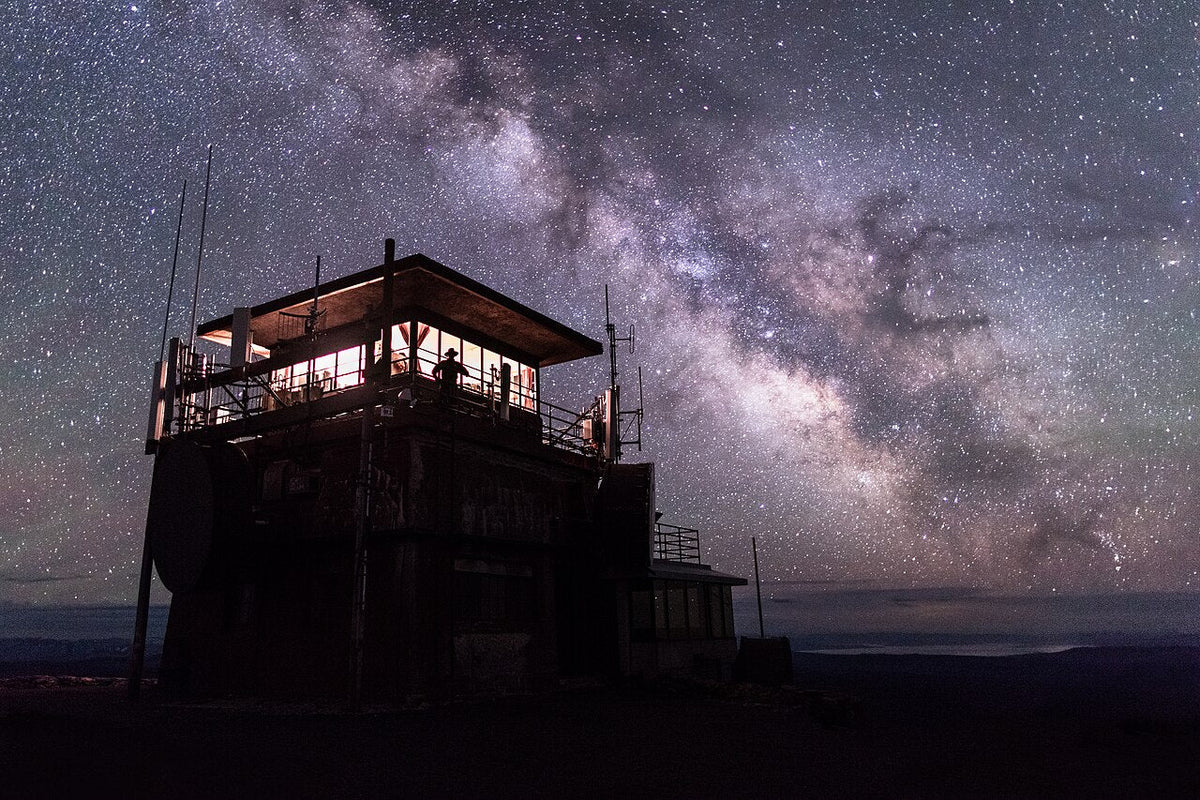
Featured image: Washburn Fire Lookout under the Milky Way. NPS / Jacob W. Frank. Public-domain work of the U.S. National Park Service. Source and rights.
Related readiness categories
Use what you already own first. If a gap shows up during this week’s check, these collections can help you compare practical options:
Stay Sharp. Stay Ready.


.jpg)