

Heading into the backcountry means being ready for the unexpected. Mechanical failures. Medical emergencies. Weather shifts. We've seen it all, and what separates a close call from a disaster usually comes down to how prepared you are.
These five categories of gear aren’t about being overcautious. They’re about being responsible. You’re miles from help. Cell service is a rumor. The only thing you can count on is what’s in your kit and who you have with you.
1. Emergency Shelter
If you have to leave your vehicle because of fire, rollover, or terrain, you need shelter immediately. Exposure can turn dangerous in hours, especially if you’re wet, injured, or losing light.
Pack an emergency bivvy or thermal sack that reflects body heat and blocks wind. Go for something waterproof, tear-resistant, and fast to deploy. It should be compact enough for your daypack and tough enough for real-world abuse.
Field Tip: If your shelter isn’t accessible in 30 seconds or less, it’s in the wrong place.

2. Trauma Kit That Handles More Than Cuts and Scrapes
You can’t treat a crushed arm or deep bleed with a roll of gauze and good intentions. Your kit should cover arterial bleeding, burns, fractures, and basic airway support. Include a tourniquet, pressure dressings, chest seals, emergency blanket, and gloves at a minimum.
We also recommend a clearly marked kit that anyone on your team can grab in a hurry.
Critical Add-On:
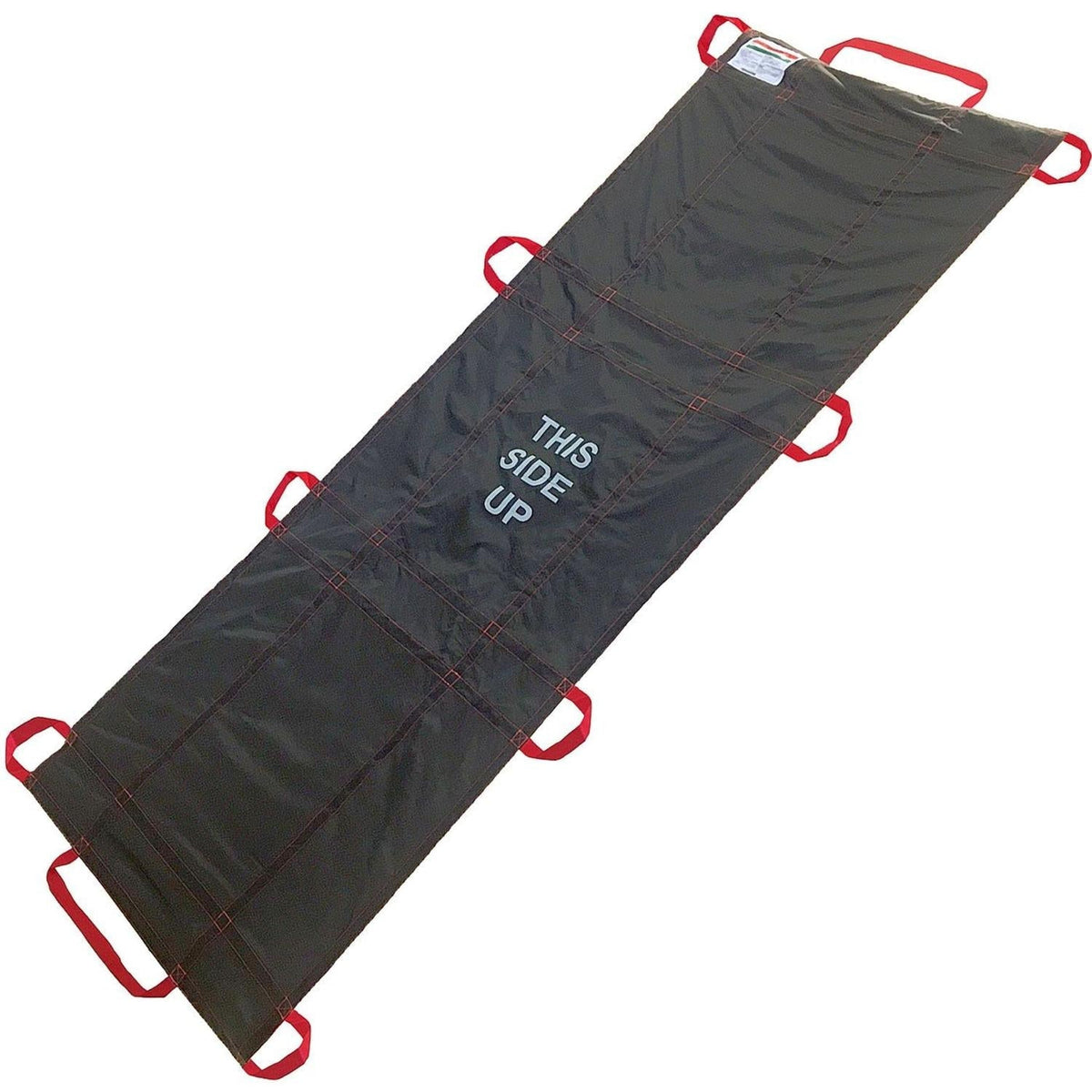
The NAR Responder QuikLitter is one of the most overlooked but vital tools we carry. It allows two people to extract an injured teammate over rough terrain, snow, or debris. Lightweight, packable, and strong enough for real-world loads. It’s one of those items you don’t appreciate until it’s the only solution.

3. Fire Starting Tools That Work in Bad Conditions
Fire keeps you warm, visible, and sane. Lighters fail. Matches get soaked. Always carry backup systems like a ferro rod with reliable tinder, and make sure you can use them with gloves on or with limited dexterity.
Test your gear before you rely on it. If it doesn’t spark consistently when wet or cold, replace it. Fire isn’t a bonus feature. It’s survival.

4. High-Output Lighting and Signal Capability
Darkness off-grid is total. You need light for repairs, navigation, and emergency signaling.
A solid setup includes a rechargeable headlamp and a high-lumen flashlight. Choose models with long runtimes, weather resistance, and signal features like strobe or SOS. Dust, fog, and tree cover can kill weak beams, so go with tactical-grade output.
Spare batteries or a solar charger are essential. Always pack them.

5. Cordage and Multi-Use Tools
Repairs, splints, lashings, towing, gear recovery. Cordage shows its worth when your plan falls apart. Micro cord and 550 paracord weigh almost nothing but solve dozens of problems in the field.
Combine that with a solid fixed-blade or multi-tool and you can improvise nearly anything. If you’ve ever had to fabricate a bracket or field-fix a broken strap, you already know the value.

The Most Important Gear Is the One You Know How to Use
Everything listed above only matters if you know where it is and how to use it under stress. That means practicing before you need it. Running drills. Teaching your team. Gear doesn't perform miracles. People do.
Preparedness Is Respect
Every trip you take into the wild is a promise to your family and your crew that you’re coming back. The right equipment and the right mindset make that promise real.
The gear we carry isn’t theory. It’s the result of years in law enforcement, search and rescue, and wilderness operations. We’ve chosen what works and left out what doesn’t.
Get the gear. Learn it. Carry it. Stay ready.


