

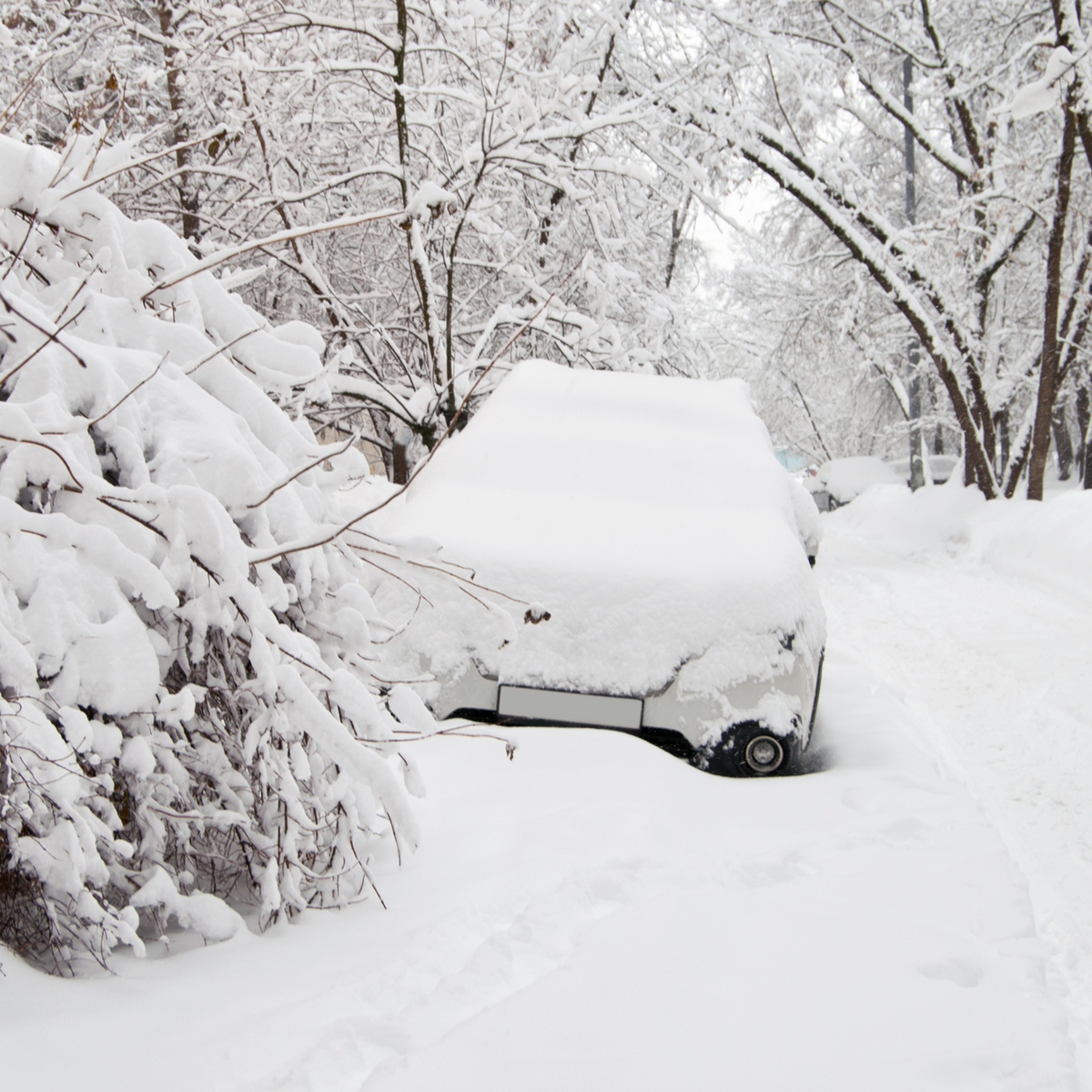
When the Vehicle Becomes Shelter
Most winter emergencies don’t begin with a blizzard—they start with a simple trip. A wrong turn, a mechanical issue, or an overconfident push through worsening weather. Then the road disappears, snow stacks up against the doors, and the cold sets in.
Real survivors know that once the engine stops and the storm builds, your vehicle becomes your shelter. How well you manage those next few hours determines everything that follows.
In 2011, Lauren Weinberg survived ten days stranded in her car in Arizona after a snowstorm. She lived on two candy bars and melted snow. Others haven’t been as fortunate—like during the Blizzard of 1977 in Buffalo, where hundreds of motorists were trapped as drifts buried cars over fifteen feet high. The difference between survival and tragedy often comes down to preparation.
Understanding the Threat

Winter isolation hits fast. A stalled vehicle loses cabin heat in minutes. Wind, wet clothing, and metal contact pull body warmth away until hypothermia takes over.
Three main dangers:
-
Heat loss from cold air, snow, and metal surfaces.
-
Carbon monoxide poisoning from a blocked exhaust.
-
Disorientation and exposure if you leave the vehicle in a whiteout.
The good news—these are preventable with planning, the right gear, and sound decisions.
Stay With the Vehicle
Your car is shelter, visibility, and windbreak all in one. Unless you can clearly see a nearby, occupied building, stay put. Leaving in poor visibility is how rescuers find fatalities just yards from vehicles.
Stay-in-place survival checklist:
-
Run the engine for 10–15 minutes every hour for heat.
-
Crack a downwind window slightly for ventilation.
-
Clear snow from the exhaust pipe every hour to prevent fumes from backing up.
-
Keep interior lights on when the engine runs to aid rescuers.
-
Move your arms and legs often to maintain circulation.
Inside the cabin, body heat and proper insulation can raise the temperature by several degrees—often enough to survive the night.
Maintaining Heat and Shelter

If you can’t rely on the engine, your next defense is insulation. Heat is your most valuable resource, and your goal is to turn the vehicle into a small, contained microclimate.
For any driver, a thermal bivvy is the baseline—compact, affordable, and capable of keeping you alive when the temperature drops.
If you regularly travel through regions that experience deep freezes or mountain snow, each person in the vehicle should have a zero-degree sleeping bag stored inside. A dedicated cold-weather bag provides real insulation and buys you critical time until rescue.
Practical steps:
-
Layer clothing and cover extremities first—hands, head, and feet lose heat fastest.
-
Use seat covers, floor mats, or spare clothes as insulation beneath and around you.
-
Compact thermal gear like the SOL Thermal Bivvy with Rescue Whistle reflects up to 80% of body heat and doubles as an emergency sleeping bag.
-
For severe environments, a down system such as the ZERO Mummy Sleeping Bag delivers expedition-grade warmth down to 0°F.
Even a thin reflective bivvy or sleeping-bag liner can trap enough radiant heat to maintain body temperature through the night.
Signal and Communicate
Visibility drops fast in blowing snow. A parked car can vanish within an hour under drifts. Rescuers look for color contrast and movement, so your job is to stand out.
How to stay visible:
-
Tie a bright cloth or panel—like the SORD Marker Panel—to your antenna or window.
-
Flash your hazard lights during heating cycles.
-
Use a strobe or flashlight (such as an ACR C-Strobe) to attract attention at night.
-
If you have signal, text your location instead of calling; it uses less battery and bandwidth.
Even simple signaling tools—whistles, mirrors, or handheld lights—can bridge the gap between being stranded and being found.
Food, Water, and Time
Hunger takes time to weaken you, but dehydration and cold work quickly together. If you have no liquid water, snow can be melted—but do it carefully.
Start with a small amount of snow in your pot first to prevent scorching, then add more gradually as it melts. Never eat snow directly—it lowers your core temperature and speeds hypothermia.
Whenever possible, rely on stored water or melt-and-filter with a compact purifier such as those in the Water Filters & Purification Collection.
A lightweight Titanium Pot with Lid (750ml) is perfect for melting snow over a fire.
Keep small, high-calorie rations in your glove box or pack: trail mix, energy bars, or emergency rations from the MRE & Emergency Rations Collection.
They’re compact, shelf-stable, and provide steady fuel when you’re waiting out a storm.
Tools and Recovery Gear

A few compact tools can prevent a night from becoming a rescue call. Your goal is to maintain safety, traction, and visibility without damaging your vehicle or exhausting yourself.
Essential items to keep on hand:
-
USGI E-Tool Shovel: Clear snow from the tailpipe, tires, or around doors.
-
3" Flat Tow Strap by Copperhead: Always use a properly rated strap—never paracord—for recovery. Rated above the pulling vehicle’s weight.
-
TreadPack™ Compact Traction Boards or TreadPack™ XL: Gain traction on ice and packed snow.
-
SOG PowerPint Multitool: Handle small repairs and everyday tasks.
-
Gerber StrongArm – Black Plain Edge: Reliable fixed blade for cutting, scraping, or emergency use.
-
Rechargeable Headlamps: Cold drains disposable batteries fast—keep rechargeable lighting ready.
-
Extreme Gear Bison Gloves: Protects from abrasion and maintains warmth when handling metal or straps.
These tools fit easily under a seat or in a small duffel yet can turn a stranded vehicle into a functional survival station.
Preparation Before You Travel
A few minutes of planning before a winter drive can offset days of danger.
Before heading into snow country or rural routes:
-
Check tire pressure, antifreeze, and wiper fluid.
-
Top off fuel before leaving populated areas.
-
Store a dedicated winter kit in your trunk or cargo area.
-
Replace expired or used supplies annually.
Knowledge is as important as gear. A copy of the SAS Survival Handbook – Third Edition (Spiral-Bound) in your glove box covers everything from hypothermia management to signaling techniques.
Build Your Cold-Weather Vehicle Kit
When temperatures plunge and the road disappears, what’s in your vehicle can determine whether you wait in comfort or fight to stay alive. The kit below covers the essentials every driver should carry for winter travel — compact enough for most trunks, complete enough for long-range or mountain routes.
Shelter & Warmth
-
SOL Thermal Bivvy with Rescue Whistle – minimum thermal protection and wind barrier.
-
ZERO Mummy Sleeping Bag – recommended upgrade for real insulation to 0 °F.
-
Extreme Gear Bison Gloves – warmth and grip in freezing conditions.
-
Ribbed Extreme Bison Beanie – retains body heat where it counts.
-
M-TAC Waterproof Poncho – wind and moisture protection when you must exit the vehicle.
Heat, Light & Power
-
Firestarting Tools & Supplies – ignition redundancy for melting snow or emergency warmth.
-
Rechargeable Headlamps – reliable lighting without disposable batteries.
-
Power Banks – keep phones, lights, and radios charged in the cold.
Water & Food
-
Titanium Pot with Lid (750 ml) – melt snow safely; start with a small amount to prevent scorching.
-
Water Filters & Purification Collection – GRAYL systems or tablets for clean drinking water.
-
MRE & Emergency Rations Collection – compact, high-calorie meals that won’t freeze solid.
Tools & Recovery
-
USGI E-Tool Shovel – clear exhaust or dig free from snowdrifts.
-
3″ Flat Tow Strap by Copperhead – rated for the recovering vehicle, not the one stuck.
-
TreadPack™ Compact Traction Boards / TreadPack™ XL – restore traction on ice or packed snow.
-
SOG PowerPint Multitool – everyday repair and cutting tasks.
-
Gerber StrongArm – Black Plain Edge – fixed-blade reliability for field use.
Medical & Safety
-
Critical Environment Emergency Kit – Creek – trauma and medical response when help is delayed.
-
Communications Gear Collection – radios or NOAA receivers to stay informed during outages.
-
SAS Survival Handbook – Third Edition (Spiral-Bound) – quick-reference survival training and cold-weather guidance.
Pack these items in a dedicated duffel or hard case and check them before each winter season. The SOL Thermal Bivvy is the bare minimum every vehicle should carry; adding the ZERO Mummy Sleeping Bag per person turns that baseline into a true cold-weather survival system.


